Get Knotweed Removal in Fairfield County, CT
Knotweed removal services help Fairfield County property owners eliminate invasive plants, prevent property damage, and clear overgrown areas through professional removal and site restoration.
Knotweed can quickly become a challenging problem for property owners in Fairfield County, CT, impacting the value, safety, and appearance of a property. Whether planning a landscape renovation, preparing a site for construction, or simply seeking to maintain a healthy outdoor space, removing invasive knotweed is an important step. Property owners exploring options for this work often compare local contractors to find experienced service providers who understand the specific needs of the area and can help develop effective removal strategies.
By connecting with local service providers who specialize in knotweed removal, property owners can gain access to tailored solutions suited to their property's unique conditions. This can support ongoing property management efforts and contribute to maintaining a safe, attractive outdoor environment. Keep reading to discover how local experts can assist with planning and executing knotweed removal projects in Fairfield County, CT.
- Residential Property Maintenance - homeowners in neighborhoods like Westport or Greenwich may need knotweed removal to protect their gardens and foundations.
- Commercial Site Management - businesses in Fairfield County often require knotweed control to maintain safe and accessible outdoor areas.
- Landscaping and Garden Restoration - property owners seeking to remove invasive knotweed to restore native plantings and improve curb appeal.
- Construction and Development Projects - builders and developers may need knotweed eradication before starting new construction or landscaping.
- Environmental Cleanup - local agencies or landowners might require knotweed removal to prevent the spread and protect natural habitats.
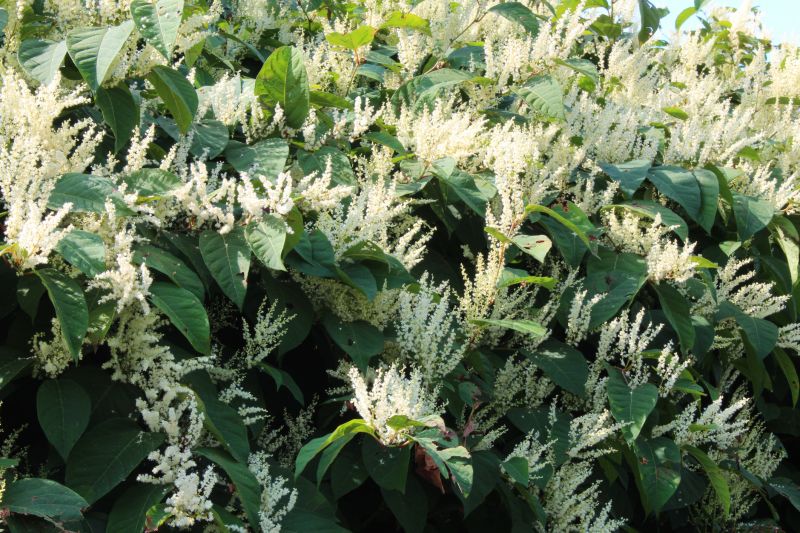


Knotweed removal services involve the careful elimination of Japanese knotweed, a highly invasive plant that can quickly spread across a property. Professional contractors typically assess the extent of the infestation and develop a tailored plan to eradicate the plant. This process may include physical removal of the plant’s roots and stems, as well as targeted treatments to prevent regrowth. Proper removal is essential to ensure that the knotweed does not continue to spread and cause further issues on the property.
This service helps address a range of problems caused by knotweed, including damage to foundations, walls, and underground utilities. Its aggressive growth can undermine structures, lead to costly repairs, and impact the stability of landscaping. Additionally, knotweed can interfere with drainage systems and reduce the overall value of a property. Removing the plant not only helps protect the physical integrity of a home or commercial space but also supports maintaining a safe and attractive outdoor environment.
Knotweed removal is often sought by homeowners, property managers, and real estate professionals dealing with properties in areas prone to invasions of this persistent plant. It is particularly common for properties with overgrown yards, neglected landscapes, or those undergoing renovation or sale. Properties located near waterways, disturbed soils, or previously unmanaged land are also more likely to require professional removal services to control knotweed growth and prevent it from spreading to neighboring properties.
When knotweed becomes a concern, it’s important for property owners to recognize the signs early, such as dense clusters of bamboo-like stalks or extensive underground rhizomes. Engaging local contractors experienced in knotweed removal can provide effective solutions to manage and eliminate the problem. These professionals use proven methods to restore the health of the landscape, prevent further spread, and protect the property’s value and safety.
The overview below groups typical Knotweed Removal projects into broad ranges so you can see how smaller, mid-sized, and larger jobs often compare in Fairfield County, CT.
In many markets, a large share of routine jobs stays in the lower and middle ranges, while only a smaller percentage of projects moves into the highest bands when the work is more complex or site conditions are harder than average.
Smaller Jobs - Typically, local pros charge between $250 and $600 for small-scale knotweed removal projects, such as treating a few isolated patches. Many routine jobs fall within this range, especially for less invasive infestations. Larger or more stubborn areas may require additional treatments, increasing the overall cost.
Medium-Sized Areas - For moderate infestations covering larger sections of a yard or property, costs generally range from $600 to $2,000. These projects often involve multiple treatments and some site preparation, with most projects landing in this middle tier.
Large or Complex Projects - Extensive knotweed removal on large properties or areas with dense growth can range from $2,000 to $5,000 or more. Fewer projects reach this level, typically involving significant excavation or specialized equipment.
Full Site Remediation - Complete removal and site restoration for heavily infested properties can exceed $5,000. These larger, more complex projects are less common but may be necessary for properties with severe knotweed issues requiring extensive treatment and soil replacement.
Actual totals will depend on details like access to the work area, the scope of the project, and the materials selected, so use these as general starting points rather than exact figures.
Invasive Plant Removal - professionals who specialize in removing invasive species like Japanese knotweed often use similar excavation and herbicide application techniques.
Landscape Restoration - restoring disturbed landscapes requires planning, soil clearing, and plant management skills comparable to knotweed removal projects.
Storm Damage Cleanup - storm cleanup involves debris removal and site clearing, which shares tools and planning strategies with invasive plant eradication.
Weed Control Services - general weed control involves targeted herbicide use and site assessment techniques similar to those used in knotweed management.
Erosion Control Projects - stabilizing soil and managing land disturbance are tasks that require similar planning and equipment as knotweed removal efforts.
Soil Excavation and Grading - excavation and grading work involves site assessment and earth-moving skills applicable to clearing invasive plants like knotweed.
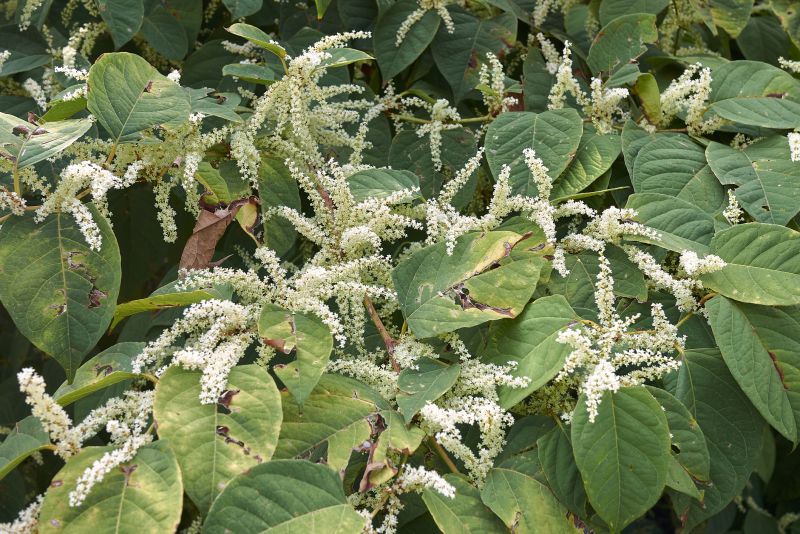
When evaluating potential contractors for knotweed removal, it’s important to consider their experience with similar projects in Fairfield County and nearby areas. Homeowners should inquire about how many knotweed removal jobs they have completed and whether they are familiar with the specific challenges that this invasive plant can present. A contractor with a history of handling projects comparable in scope and complexity is more likely to understand the best techniques and strategies for effective removal, reducing the risk of future regrowth and property damage.
Clear, written expectations are essential when comparing local service providers. Homeowners should seek detailed descriptions of the scope of work, including what methods will be used, any site preparation or follow-up needed, and what the process entails. Having this information in writing helps ensure that both parties are aligned on the project’s goals and deliverables, minimizing misunderstandings. It’s also helpful to ask for references or examples of previous work to verify that the contractor’s approach aligns with the homeowner’s expectations.
Good communication is a key factor in choosing a reliable knotweed removal specialist. Homeowners should look for service providers who are responsive and willing to answer questions thoroughly, providing explanations that make the process clear. Reputable local contractors are transparent about their services and open to discussing concerns or specific site conditions. Since the site introduces homeowners to local options, it’s important to focus on how well each provider communicates and whether their approach demonstrates professionalism and attentiveness-traits that often indicate a positive working relationship and successful project completion.
Property owners in Fairfield County, CT use Knotweed Removal services for practical projects around their homes and businesses. This guide focuses on everyday jobs and straightforward project options.
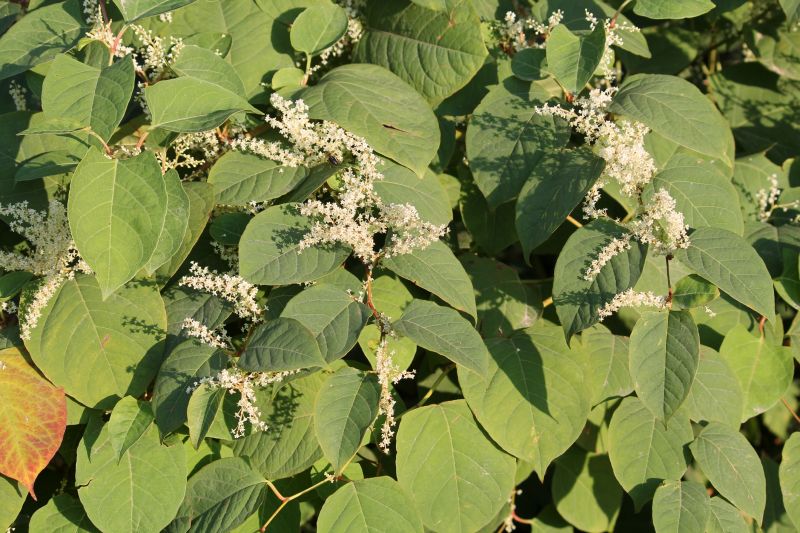
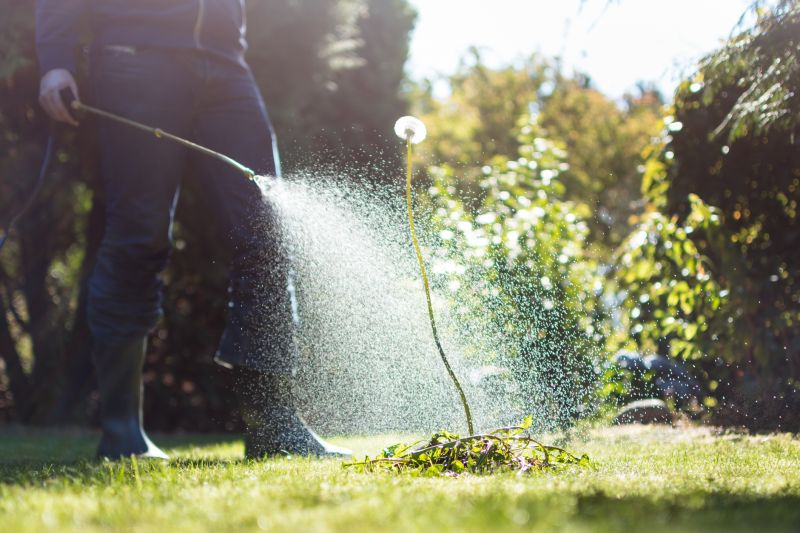
Knotweed can quickly become a concern for property owners in Fairfield County, especially when it begins to spread across lawns, garden beds, or along fence lines. Homeowners might seek professional removal services after noticing the plant encroaching on their yard, threatening landscaping or access to outdoor spaces. Additionally, those preparing for property sales or renovations often look for local contractors who can effectively manage invasive weeds like knotweed to ensure the property remains attractive and compliant with local regulations.
In other cases, property owners may need knotweed removal services to address issues caused by overgrowth near foundations, driveways, or septic systems. Overgrown knotweed can compromise structural integrity or hinder maintenance efforts, prompting residents to connect with experienced service providers. Whether dealing with persistent growth in a backyard or invasive patches along property boundaries, local contractors can provide solutions tailored to the specific needs of Fairfield County homeowners.
What is knotweed removal? Knotweed removal involves eliminating invasive knotweed plants from residential or commercial properties to prevent damage and control growth.
How do local contractors typically remove knotweed? They may use methods such as chemical treatments, excavation, or ongoing management to control and remove knotweed infestations.
Can knotweed removal help prevent property damage? Yes, professional removal can reduce the risk of damage to building foundations, driveways, and underground utilities caused by knotweed growth.
What should I consider when choosing a knotweed removal service? It's important to select experienced local contractors who understand the specific challenges of knotweed in Fairfield County and nearby areas.
Is knotweed removal a one-time process? Removal often requires multiple treatments or ongoing management to ensure complete eradication and prevent regrowth.
Property Cleanup - Removing knotweed can help maintain a tidy yard, making outdoor spaces more enjoyable for family activities and gardening.
Landscaping Projects - Clearing knotweed allows for new planting or lawn expansion, enhancing curb appeal and usable outdoor areas.
Property Value Improvement - Eliminating invasive knotweed can prevent damage to foundations and structures, supporting property preservation.
Garden Restoration - Removing knotweed creates opportunities to restore flower beds, vegetable gardens, or natural landscapes.
If you are thinking about Knotweed Removal for a property in Fairfield County, CT, this guide is meant to help you understand the work, the typical project types, and how different options might fit your plans.
When you are ready, you can use the quote form on this page to share a few details about your project. From there, local pros can review the basics and respond with options that match what you have in mind.